
Shelby County Owner Record Card
The free Shelby PVA and Schneider Beacon search is the natural starting point for the current owner. Enter a situs address. Keep the whole card together. The live labels and data appear only inside an active result, so read them there rather than trusting a remembered layout or a secondhand summary of the fields.
| Owner name | The tax-roll owner of record shown now |
|---|---|
| Mailing address | Where the owner receives tax notices |
| Situs address | The physical parcel location |
| Parcel ID | The link among assessment, map, and deed research |
| Last sale | A lead whose date and price require deed verification |
| Legal description | An abbreviated parcel tie-breaker |
An owner record is not an occupancy list. Read the mailing and situs fields separately, and treat an out-of-county mailing address as a clue rather than proof that the owner of record is wrong.
Current Shelby Work Roll Timing
The PVA publishes current work-roll data. It stays in motion. Review, assessment, correction, and appeal can change it before the next certified roll. Save the date of access whenever the current owner matters to a purchase, estate, boundary, or deed-fraud concern. Save the parcel ID too.
The PVA's own disclaimer notes that sale price, sale date, and property characteristics may not be verified. Those fields can guide a search. But they should not displace the recorded deed. The PVA search notice supplies the official access context.
January 1 Owner Mismatch
Shelby tax bills carry the January 1 owner. A later buyer may see a former owner on the bill until the next tax year. That annual rule is not a work-roll update. It is also not the deed recording date. Compare all three dates before assuming anything is wrong. A post-January-1 deed can establish a newer recorded grantee while the Sheriff's tax record still properly carries the earlier annual name. The mismatch is common enough to check before reporting an error.
Freshest evidence. A newly recorded deed can be more current than the annual tax bill or changing PVA roll. Match its legal description to the parcel.
Confirm the Shelby Current Owner
Verification aims at one present owner. There is no need to reconstruct every former transfer, so keep the work tied to the newest recorded instrument in the Clerk's deed records.
- Search the PVA by address and save owner, parcel ID, situs, mailing address, and legal-description lead.
- Open the Shelby County Clerk legal-record route and locate the most recent deed for those parties and that tract.
- Read the grantee and recording date, then compare the deed description and any prior reference to the PVA parcel.
- If the online image is unavailable, request it at 501 Washington Street, Shelbyville, or call 502-633-4410.
- Owner of record
- The party an official roll or instrument presently identifies.
- Assessment roll
- The PVA's property and value record used in tax administration.
- Situs
- The physical property address, not the tax mailing destination.
- Recording lag
- The time between a transfer and its appearance in another public system.
Shelby Clerk Confirmation Channels
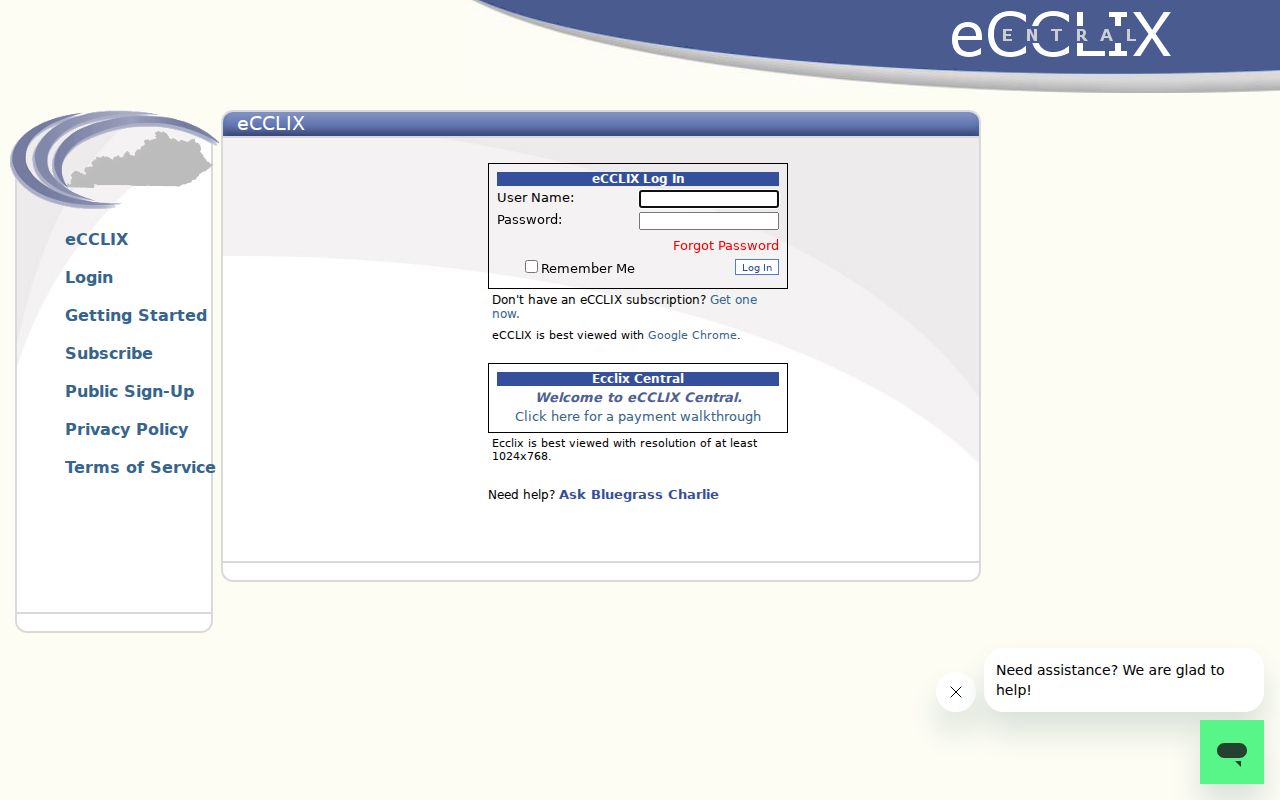
The Clerk keeps legal records back to 1792. Most indexes generally reach 1960. Current instrument images begin in May 1995, with selected document types imaged back to 1980. eCCLIX requires a paid account. The public route may stop before the deed image. Use the Clerk counter, telephone, or a focused written open-record request when the web route runs dry, stating the parties, document type, approximate year, parcel, and any book/page or instrument reference. Noncommercial clerk copies generally run $0.50 per page. The office states a five-working-day written response. The eCCLIX login page shows the account wall that stands between a visitor and full Shelby deed results.
A Clerk copy remains the direct record source.
Current Entity Owners in Shelby
The current owner may be an LLC, corporation, estate, fiduciary, or trust. Copy it exactly from the PVA card and deed. Punctuation and suffixes matter. The Kentucky Secretary of State business search can resolve an entity's public filing name and status. Entity filings do not convey real estate. A registered-agent address is not the situs. An officer is not automatically the owner either, and when an estate appears, the Shelby probate file may explain authority while the Clerk's recorded deed controls the land-record confirmation.
Shelby Mailing and Situs Fields
The mailing address may be a post-office box, office, fiduciary, or an address outside Kentucky. The situs is the physical property. A vacant parcel may lack a house number. An annexed road may show a former name. Lean on the parcel ID and legal description. Never build a Shelby parcel number from a ZIP code or city name, because the county publishes no official public prefix scheme. Preserve historical identifiers from the deed when a split or combination may have changed the current parcel.
Correct a Shelby Owner Record
A PVA error starts with paperwork. Keep a copy of the current card and the recorded deed that supports the correction. Contact the Shelby PVA at 501 Washington Street, Suite 1, Shelbyville. The number is 502-633-4403. Explain the exact field, not an open-ended title question. A wrong or incomplete deed belongs with the Clerk. A records office can provide and explain its public record. But a title dispute may need qualified legal help. For the wider method, see who owns Shelby County property.
Use Shelby Owner Data Lawfully
A public mailing address can support a good-faith letter about a boundary, purchase inquiry, estate issue, or record correction. It does not prove residence. It grants no access to the property either. Kentucky Safe at Home offers substitute-address and confidentiality support to eligible survivors, though state guidance notes a real-estate-address exception. Commercial people-search data may be old. It can blend unrelated sources too. The PVA and Clerk remain the official path for the Shelby County current owner, and disputed facts belong back with the custodian. Never use an owner record to target, intimidate, or harm a person.
Owner is not occupant. The current owner field identifies a public record party, not everyone who may live at or use the address.